ROCHESTER ELITETree Service
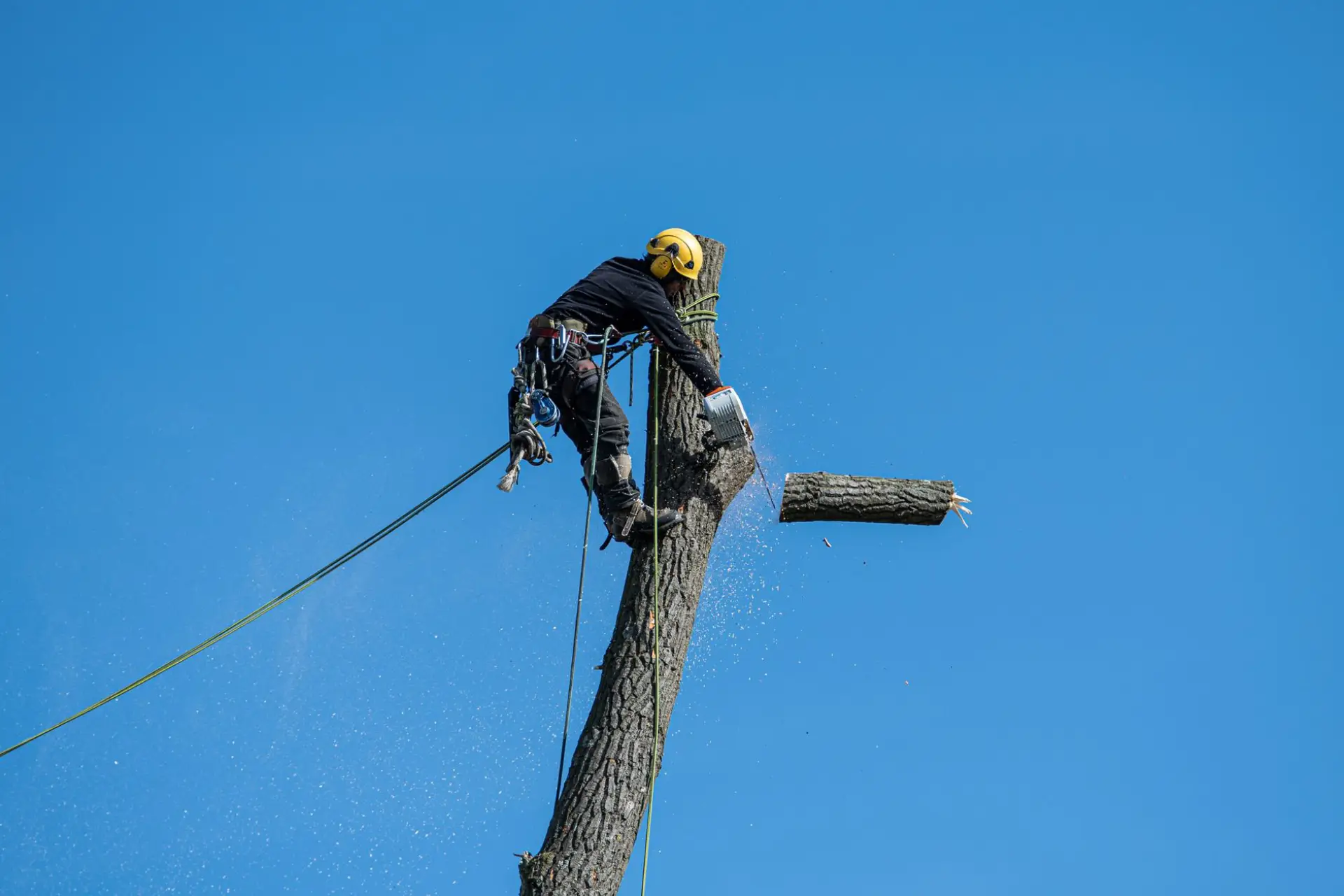
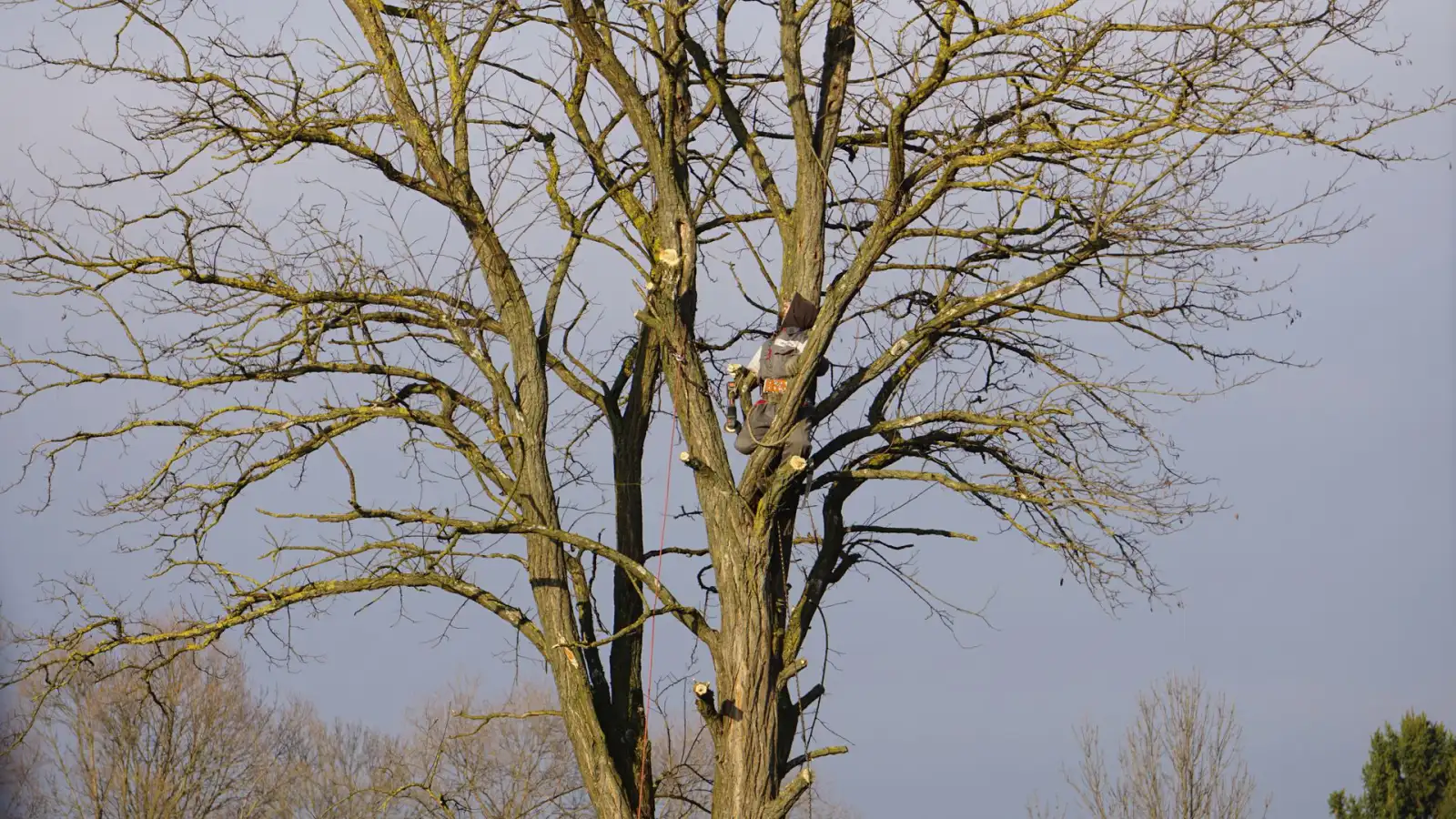
Arborist working high in a bare hardwood canopy during the dormant season near Rochester, Minnesota
Serving Rochester and Southeast Minnesota, from Owatonna to Winona

Rochester Elite Treecare:
Residential & Commercial

Tree Service in Rochester, MN

Tree removal, trimming, stump grinding and storm cleanup across Rochester, Olmsted County and Southeast Minnesota — including the bluff lots where nothing on wheels gets within eighty feet of the tree. Every job is priced on site, after somebody has actually looked at the drop zone.

Let Us Help You Today

Full Name
Phone Number
Zip Code

By submitting this form, you authorize Rochester Elite Treecare to share the information you provide with one or more independent local professionals who may be able to assist with your project. These providers may contact you by phone, email, or text regarding your project. While we may prioritize licensed and insured professionals where available, you are responsible for verifying all credentials before hiring a contractor.

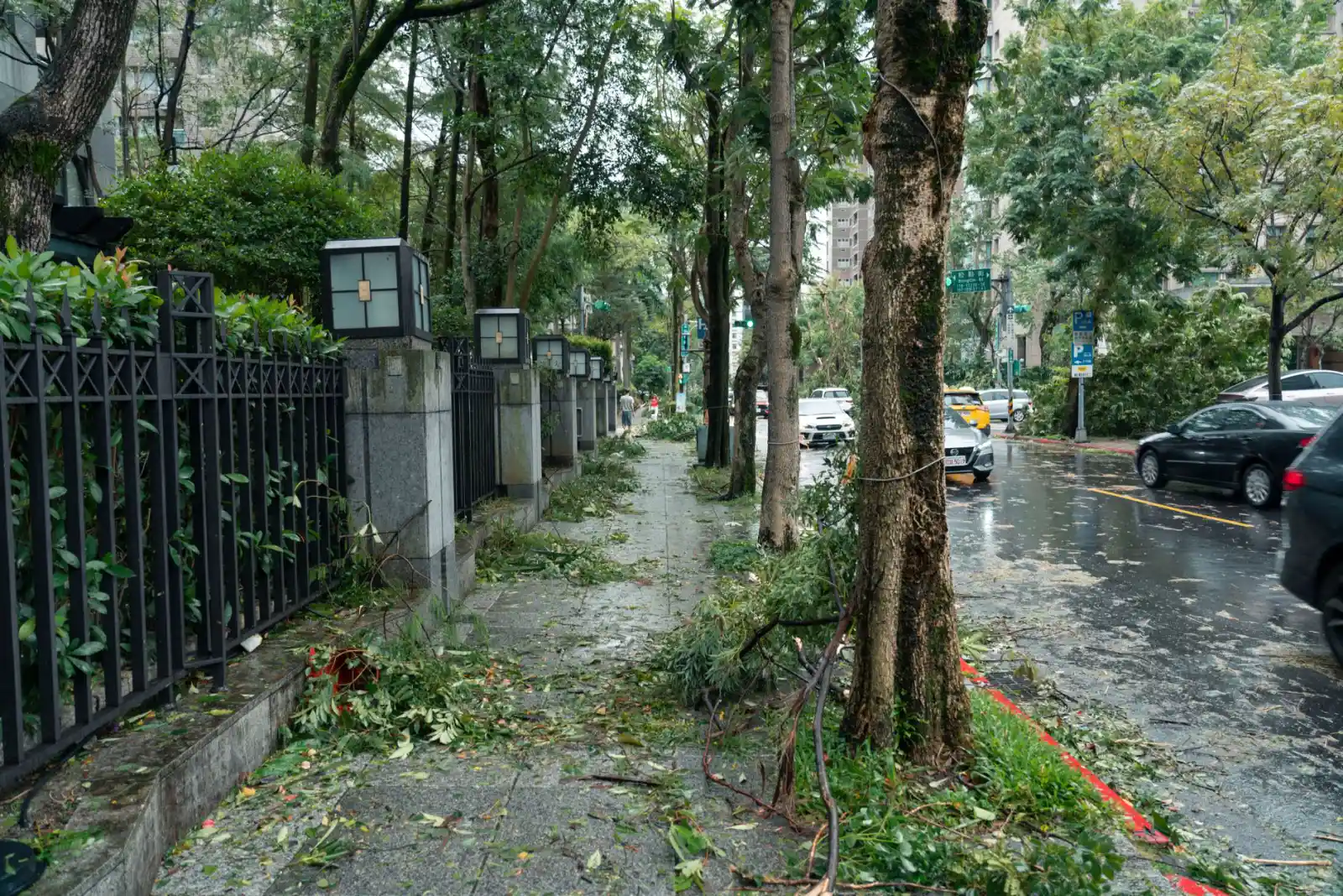
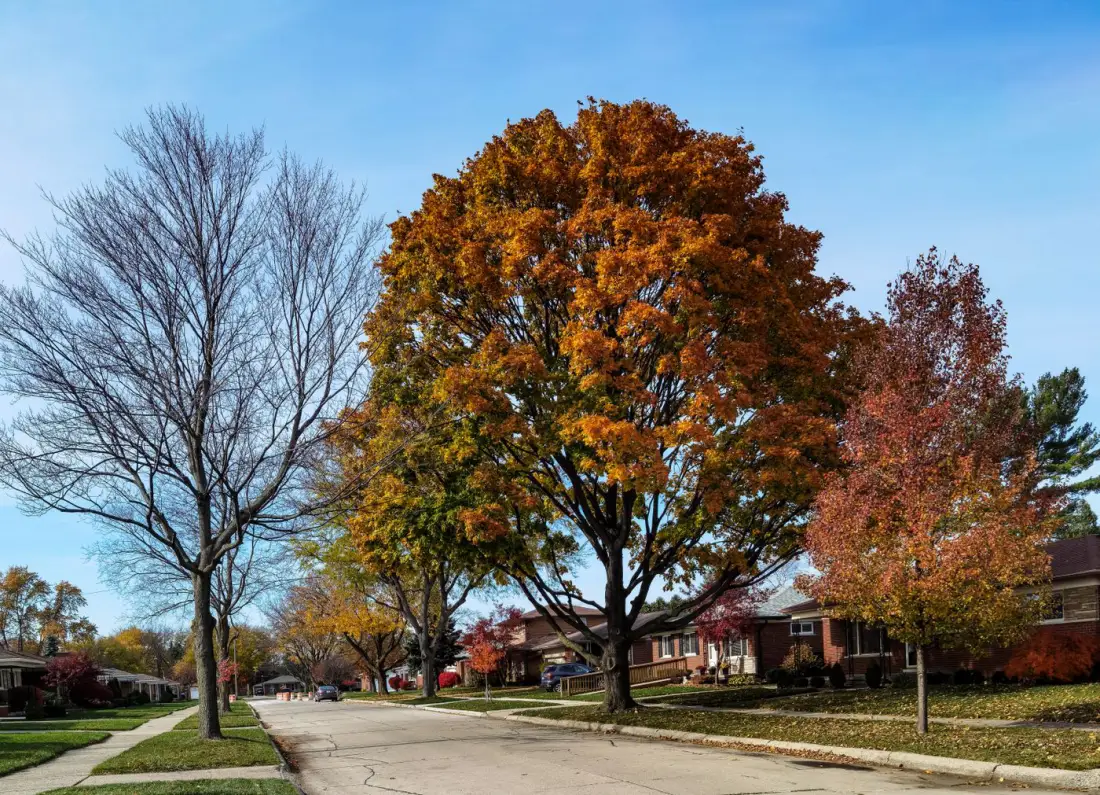
Mature boulevard maples in autumn colour lining a residential street of brick homes
About Us

Rochester Elite Treecare Is Your Local Resource for Tree Service in Rochester, MN

Rochester Elite Treecare is your local resource for tree removal, trimming and pruning, stump grinding, storm damage cleanup and lot clearing throughout Rochester, Olmsted County and Southeast Minnesota. We work with experienced arborists who know which oaks can be saved, which have to come down, and what time of year it is safe to make the cut. From a split silver maple over a garage in Slatterly Park to a dead ash on a ravine lot above the Zumbro, every job starts with somebody standing under the tree before a number gets quoted.

  • Removal, pruning, stump grinding, storm cleanup, brush and lot clearing
  • Serving Olmsted, Dodge, Goodhue, Wabasha, Winona, Fillmore and Steele Counties — Byron, Stewartville, Kasson, Pine Island, Chatfield, Owatonna and Winona among them
  • Free, no-obligation on-site estimates
Services

Residential Tree Service in Rochester, MN

A dead oak, a maple leaning over the roof, a stump where a patio is going in — all of them need the same thing: somebody who looks at the tree and what's under it before naming a number, not a price quoted down the phone.

Services

Commercial Tree Service in Rochester, MN

Property managers, HOA boards, site contractors and facility staff all need the same thing: a scope specific enough to compare against another bid, and work phased so the property stays open — not a lump sum on a parcel nobody walked.

What to Expect

Quoted On Site, Cut in the Right Season, Cleaned Up Before Anyone Leaves

A phone number and a truck in the driveway don't make an arborist. Here's what a job should look like from the first call to the raked drop zone, one item at a time.

  • Quoted On Site, In Writing

    Nobody prices a removal down the phone. Access, the drop zone and what sits underneath decide the number, and none of it is visible from a phone call. The written quote names the cleanup scope — brush, wood and grindings handled separately — because that's where two quotes on the same tree usually turn out not to be the same job.

  • Oak Work Scheduled Around the Wilt Window

    Minnesota guidance is not to prune or cut oaks April through July, so healthy oak work gets booked for the dormant season rather than whenever the weather happens to be nice. Where a hazard genuinely can't wait, the cut is sealed on the spot.

  • Storm Calls Split Into Two Visits

    Make-safe first: the hazard neutralised, access reopened, anything hanging over a doorway brought down. The removal, the wood and the cleanup follow in daylight on a scheduled visit and are invoiced separately, so one storm doesn't produce a single blended bill nobody can explain.

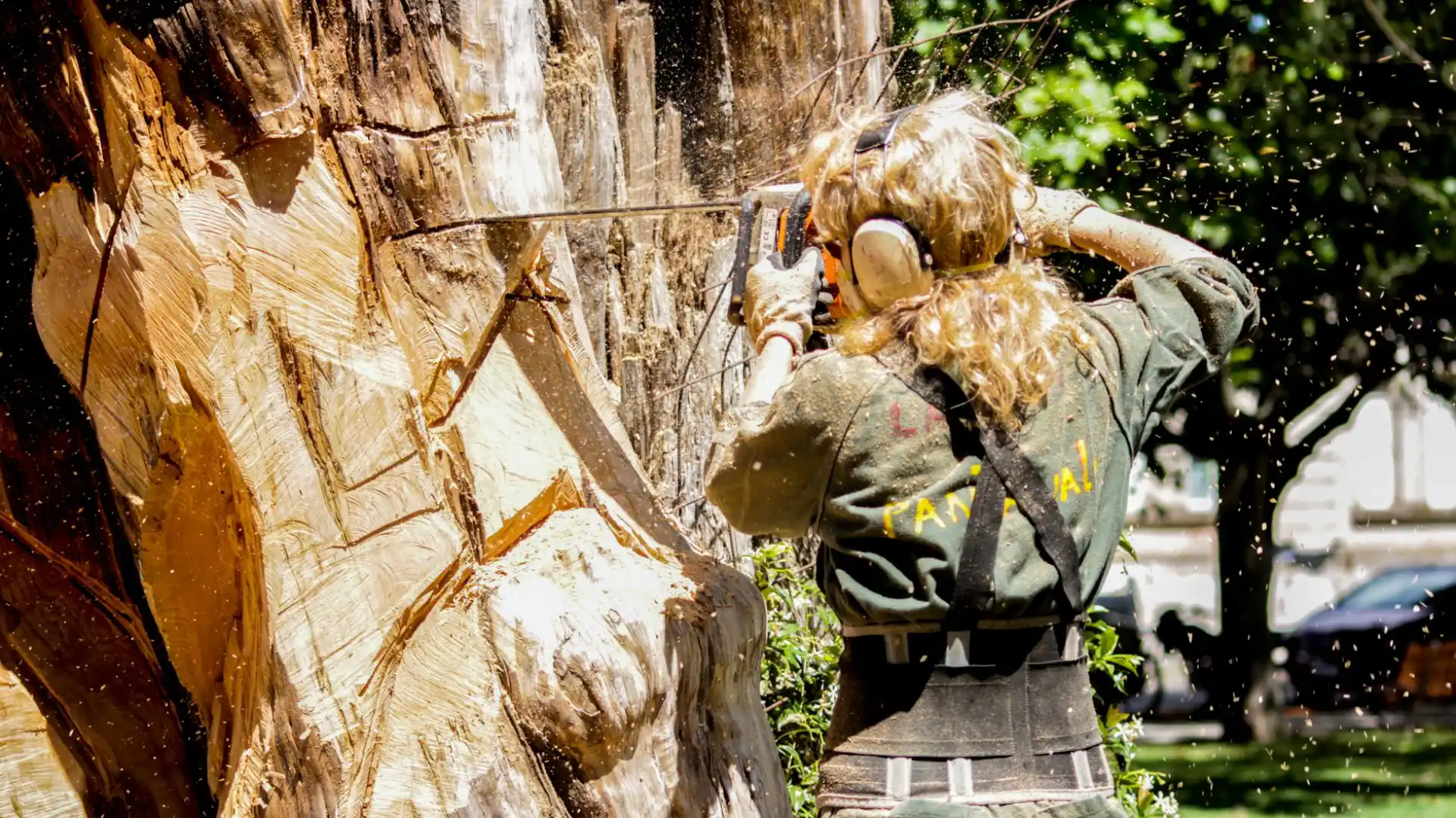
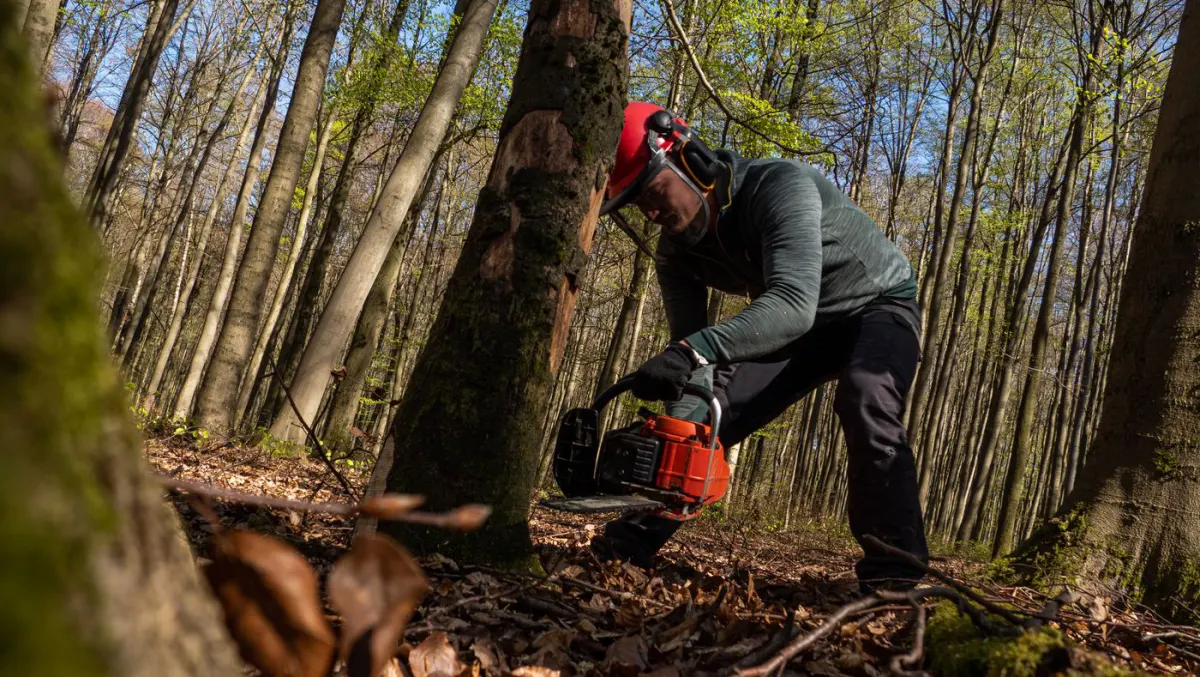
Arborist in a helmet with face screen and ear defenders making a felling cut at the base of a hardwood
(507) 299-5771
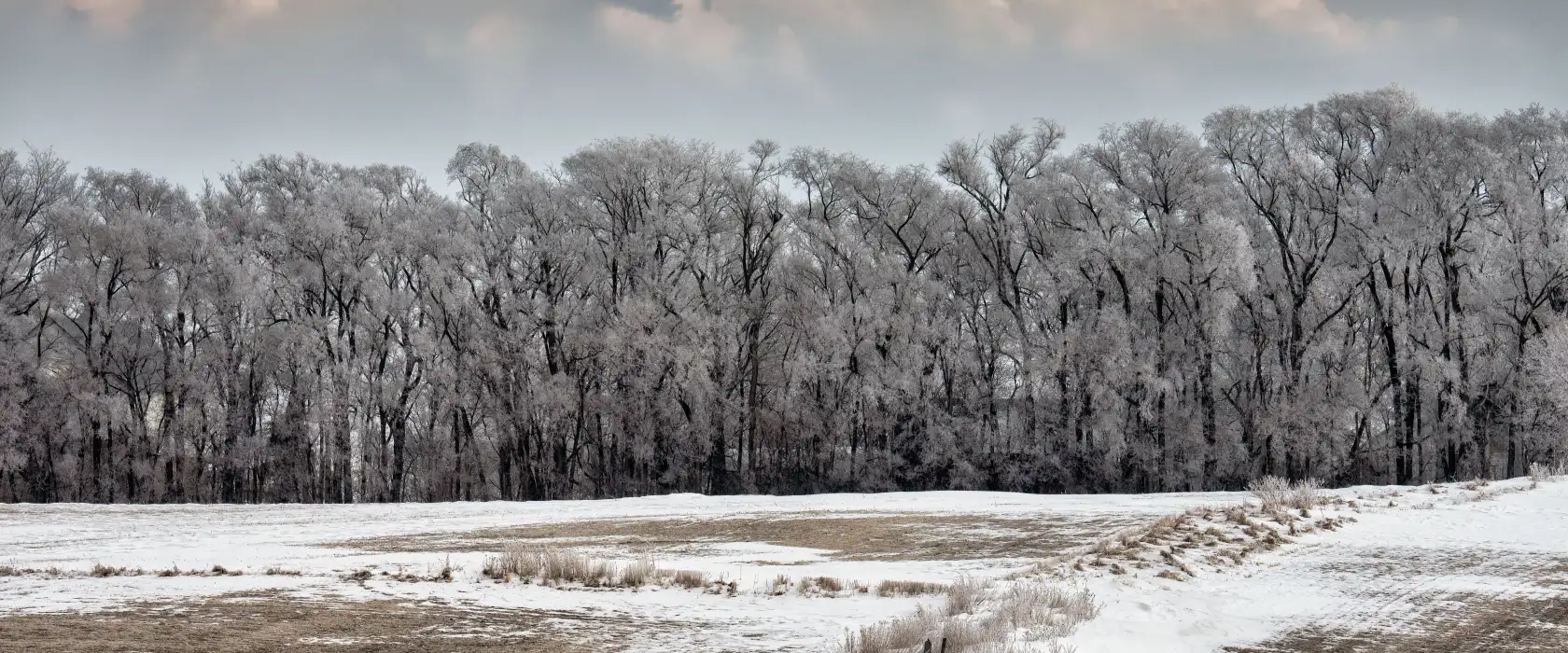
Hoarfrost-covered treeline along a snow-covered field under a heavy winter sky
Why Local Knowledge Matters

What Southeast Minnesota Actually Does to a Tree Job

Oak wilt closes the window April through July

Southeast Minnesota sits in the heart of the state's oak wilt range and the canopy here is heavily oak. Minnesota guidance is not to prune or cut oaks from April through July, because fresh wounds draw the sap beetles that carry the fungus. Risk drops after mid-July and winter is safest. If a hazard genuinely can't wait, the cut gets sealed immediately.

Root grafts move it tree to tree

Red oaks growing near each other fuse roots underground, and oak wilt travels through those grafts without ever going above ground. That's why the answer to one infected oak is sometimes a trench cut between it and the next one rather than just a removal — take the tree out and leave the grafts, and the row goes with it.

Emerald ash borer, confirmed here since 2014

EAB was confirmed in Olmsted County in 2014 near the Interstate 90 and Highway 63 interchange, and found within Rochester the following year. Ash made up about 15 percent of the city's roughly 100,000 public trees at that point, including around 8,000 on boulevards. The county is under state and federal quarantine restricting where ash wood and hardwood firewood can go.

Bluff terrain prices the job, not trunk diameter

Rochester sits in the Zumbro River valley, and a lot of lots back onto wooded slopes and ravines where nothing on wheels gets near the tree. A twenty-four inch oak in an open backyard off Kutzky Park and the same tree on a bluff lot are two different jobs. Carrying every round up a slope by hand is hours a chip truck twenty feet away would have absorbed in minutes.

A standing dead tree has a 20-day clock

Under Rochester's hazard-tree ordinance, an owner has 20 days from written notice to remove a marked tree, or the city has it removed at the owner's expense plus a $37.50 administrative fee, billed the same way as city taxes. The standard is whether the tree threatens the general public. The city does not require the stump to come out.

Boulevard trees are not your trees

The tree between the sidewalk and the street belongs to the city, and work on one needs a boulevard tree work permit from Rochester Forestry. A hazardous boulevard tree is removed at no cost to the resident. A structurally sound one you want gone anyway means paying for removal, grinding and a canopy loss fee.

Service Areas

Serving Rochester and Southeast Minnesota

Every town below is standard territory rather than a special trip, and each one has its own page — the ground, the species and the access that actually move a price there are not the same in Owatonna as they are in Winona. Find your city.

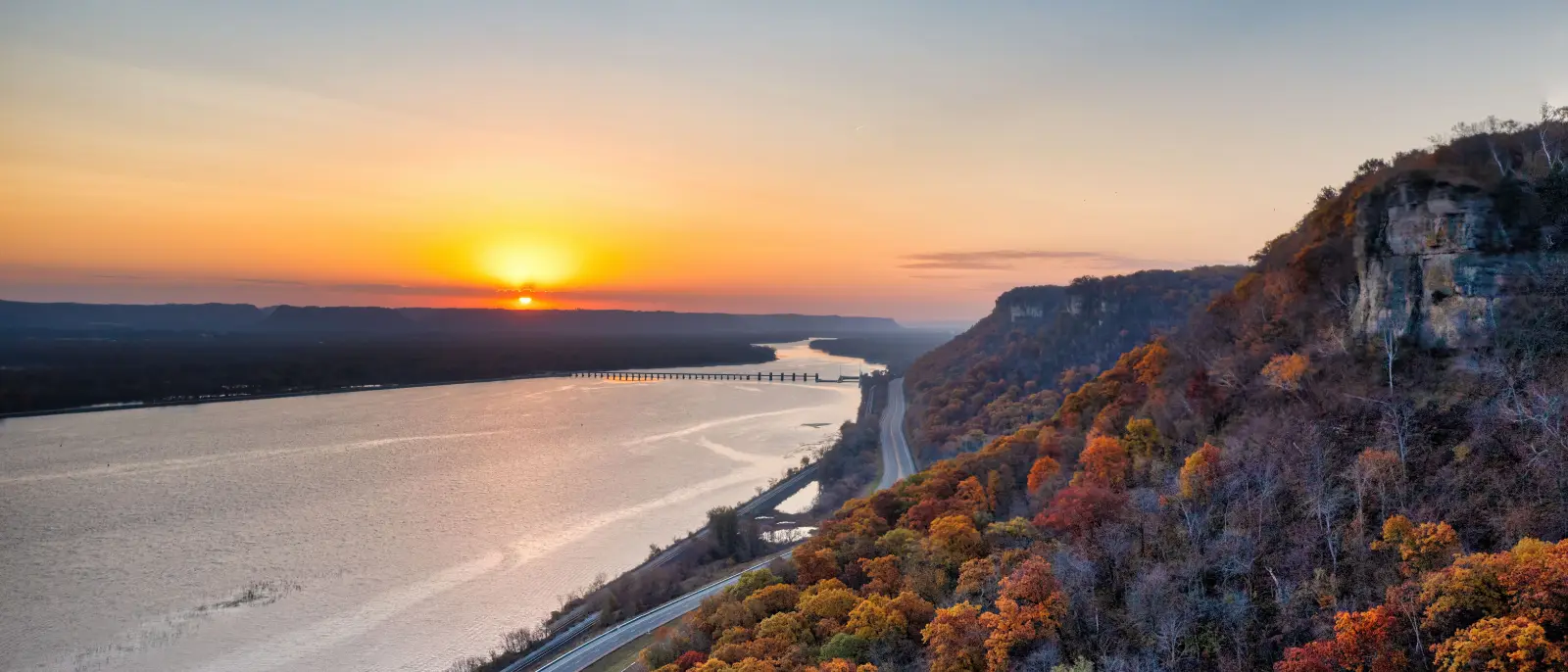
Mississippi River bluffs at sunset, autumn colour running down the wooded slope above the highway corridor
How It Works

How a Job Actually Goes

  1. 1

    Tell us what the tree is doing

    A call or the quote form: what species, where it sits, and what changed. That's usually enough to sort it into an emergency, a dormant-season job, or normal scheduled work.

  2. 2

    Somebody walks the property

    The on-site visit is the quote. Access, the drop zone, what's underneath, where the truck can park, what's overhead. Ravine and bluff access gets measured rather than guessed at.

  3. 3

    A written scope with the cleanup named

    Brush, wood and grindings are three separate decisions and each one moves the price. Ash is called out on its own, since Olmsted County's quarantine limits where it's allowed to go.

  4. 4

    The work, then the rake

    Rigging and lowering lines where nothing can be dropped, sectional dismantle where the tree is tight to a house. The drop zone gets raked and blown before anyone leaves.

What It Actually Costs

How Much Does Tree Service Cost in Rochester, MN?

Nationally, LawnStarter’s 2026 guides put tree removal at $385 to $1,070 with an average of $630, and stump grinding at $131 to $438. Rochester doesn’t reliably track that middle, because the thing that moves a quote here is the thing people expect least: how close the chip truck gets to the tree.

  • Access before size — how close the chip truck gets, and how far every round has to be carried by hand
  • What sits under the drop zone: a garage, a fence, a septic field, a neighbour's roof
  • Whether the tree is still alive — brittle wood can't be safely climbed, so dead trees move to a lift or a controlled drop
  • Cleanup scope — brush chipped, wood stacked or hauled, grindings mounded or removed, each priced separately
  • Ash, which Olmsted County's emerald ash borer quarantine restricts to sites that can legally accept it
  • Stump diameter and grind depth, which is a different question from whether the tree comes down
ServiceTypical RangeNational Average
Tree Removal$385 – $1,070$630 per tree
Tree Trimming & Pruning$85 – $1,835$430 – $640 per tree
Stump Grinding$131 – $438$272 per stump
Lot & Land Clearing$733 – $6,155 per acre$2,581 per project

LawnStarter 2026 national cost guides for tree removal, trimming, stump grinding and land clearing. Trimming spans small trees under 30 feet to trees over 60 feet; the land clearing range runs from lightly to heavily forested acreage. These are national figures — in Rochester the number that moves most is access, not trunk diameter, so a real price comes after someone has walked the property.

Who This Isn't For

When We’re Not the Right Call

Common Questions

Frequently Asked Questions

When is it safe to prune an oak in Rochester?
Not April through July. Minnesota guidance is to avoid pruning or cutting oaks during that window, because fresh wounds attract the sap beetles that spread oak wilt. The risk drops after mid-July and the dormant season is safest. If a storm-damaged oak has to be cut inside the high-risk window, the wound gets sealed immediately rather than left open.
Is emerald ash borer in Olmsted County?
Yes. It was confirmed in Olmsted County in 2014 near the interchange of Interstate 90 and Highway 63, and found within Rochester the following year. The county has been under state and federal quarantine since, which restricts moving ash wood and hardwood firewood. Ash made up about 15 percent of the city's roughly 100,000 public trees at that point, including around 8,000 on boulevards.
Can I take down the tree between the sidewalk and the street?
Not on your own. Boulevard trees are city trees, and any work on one needs a boulevard tree work permit from Rochester Forestry. If the tree is hazardous, the city removes it at no cost to the resident. If it's structurally sound and you want it gone anyway, you pay for the removal, the grinding and a canopy loss fee.
The city sent a notice about a dead tree. How long do I have?
Twenty days from the written notice. After that the city can have the tree removed at your expense plus a $37.50 administrative fee, billed the same way as city taxes. The standard is whether the tree threatens the general public, and Rochester does not require the stump to come out afterwards.
Why won't anyone quote a removal over the phone?
Because trunk diameter isn't what sets the price here. Rochester sits in the Zumbro River valley and a lot of properties back onto wooded slopes where nothing on wheels gets within eighty feet of the tree. Carrying every round of a sixty-foot oak up a ravine by hand is hours of labour that a chip truck parked twenty feet away would have absorbed in minutes.
Does the stump come out with the tree?
Only if you ask for it. Grinding is quoted separately because the depth depends on what the ground is going to be used for. A four-inch grind with the chips mounded over the hole is a genuinely cheaper job than a twelve-inch grind backfilled with topsoil, and only one of them lets you plant there. Expect the spot to settle over the following months either way.
What happens to the wood and the brush?
That's a decision you make before the quote, not after the job. Brush is normally chipped and hauled, and trunk wood is cut to length and either stacked for you or taken away. Ash is the exception — Olmsted County's quarantine means it has to go somewhere that can legally accept it. If you want the wood for firewood, say so up front, because it changes what gets loaded.
Learn More

Back to top