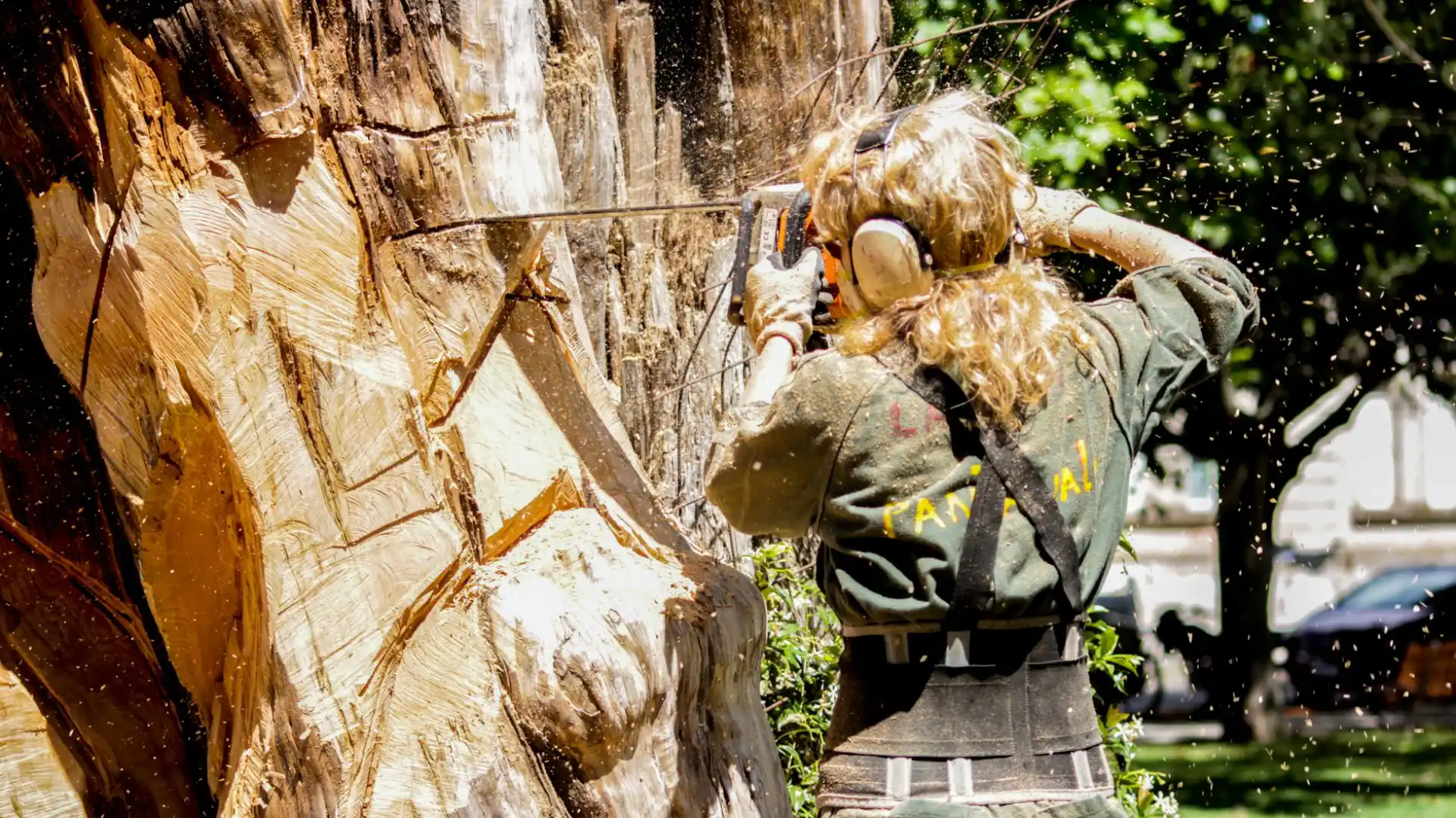
Commercial Tree Removal in Rochester, MN — Hazardous, Large & Multi-Tree Projects
Removals on working property, scheduled around your traffic rather than ours. Lots kept open, walkways kept clear, and the site left usable at the end of each day.
Rochester Elite Treecare is your local resource for commercial tree removal across Rochester, Olmsted County and Southeast Minnesota. We work with experienced arborists who handle removals on properties that have to stay open while the work happens.
Commercial removals are rarely harder trees. They are harder conditions. The tree is in a parking island with cars either side of it, or against a building with a walkway underneath, or one of eleven ash that all need to come out before somebody gets hurt. The technical work is the same as a residential removal; the constraints around it are what make the job different and what the schedule has to be built around.
The other difference is liability. A dead tree on a commercial property is a documented hazard, and Rochester enforces this directly: after written notice on a hazardous or standing dead tree, an owner has 20 days to remove it, or the city has it removed at the owner's expense plus a $37.50 administrative fee, billed the same way as city taxes. For property managers, that makes tree condition a scheduled maintenance item rather than something to react to.
Commercial Tree Removal Services in Rochester, MN
Hazardous Tree Removal
On commercial property a hazardous tree is a liability question as much as a safety one, because the exposure sits with the owner and there is usually a documented duty of care behind it. The markers are the same as anywhere: co-dominant stems with included bark, a lifted root plate, a fresh trunk crack, fungal fruiting bodies at the base, or a lean that has changed. What differs is urgency and documentation. Rochester's ordinance gives an owner 20 days from written notice before the city removes the tree at the owner's expense plus a $37.50 administrative fee, so a hazardous tree on a lot is on a clock.
Dead & Dying Tree Removal
Ash is the dominant version of this across Olmsted County, and it is a scheduling problem rather than a one-off. Emerald ash borer was confirmed here in 2014 and reached Rochester in 2015; ash made up about 15 percent of the city's roughly 100,000 public trees at that point. On commercial property that usually means several ash declining on the same timeline. Worth planning for: a dead ash costs more to remove than a live one, because brittle wood cannot be safely climbed and the work moves to a lift or a controlled drop. Removing them on a phased schedule while they are still sound is materially cheaper than removing them all after they are not.
Large Tree Removal
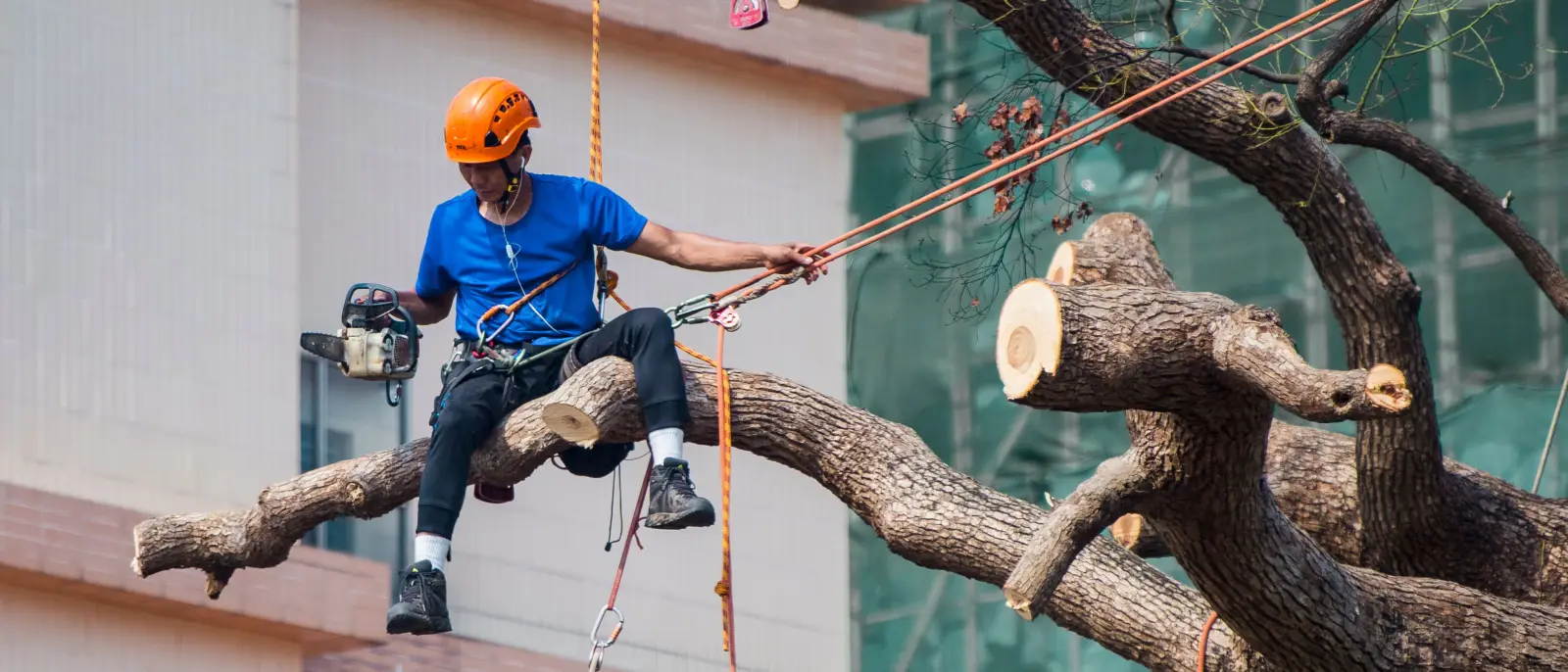
Past a certain size the tree is dismantled rather than felled — a climber takes the top out in sections and each piece is lowered on a rigging line. On commercial sites the alternative is often better: where a crane can set up on hard surface, picks come off the tree and go straight to a truck, which turns a two-day job into hours and keeps the disruption window short. Hard standing and lot access mean commercial property is far more likely than a residential lot to support that. Whether a crane can be positioned, and what has to be closed off while it is there, is usually the biggest single variable in the price.
Multi-Tree Removal Projects
Removing eight or twelve trees is not eight or twelve separate jobs, and it should not be priced as though it were. Mobilisation happens once, the chipper and truck are already on site, and the crew works a sequence rather than repeating a setup. That is real money on a project of any size, and it is worth asking for the schedule to be phased against your operations — a section of lot at a time, so nothing closes entirely. Multi-tree projects are also where a written scope matters most: which trees, marked how, and what happens to the stumps.
Tree Removal Around Commercial Buildings & Parking Lots
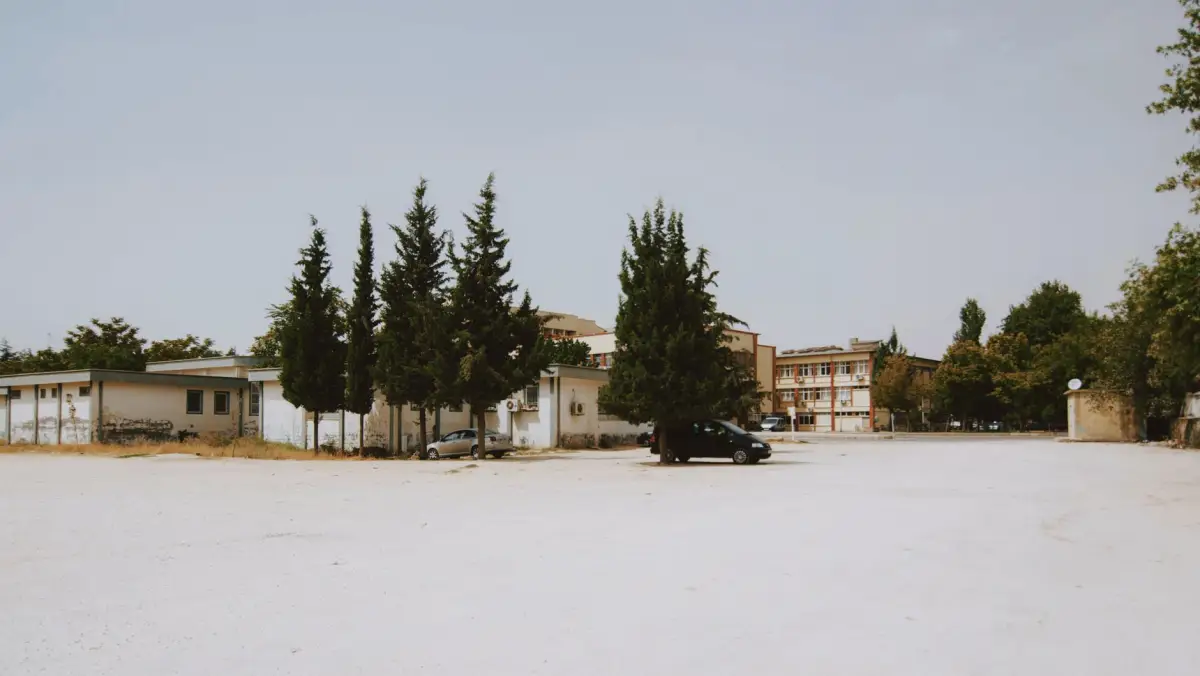
Working on an operating site means the constraints are traffic, pedestrians and access rather than the tree. Drop zones sit inside marked and coned exclusion areas, lot sections close in sequence so entrances stay usable, and pedestrian routes get managed rather than assumed. Lot trees add their own complications: root systems confined by curbing, limited soil volume, and hard surface within a few feet of the trunk. Overhead is the other one — service lines into a building, lighting, and signage all sit exactly where a limb wants to be lowered, so rigging gets planned around them.
What's Included in a Commercial Removal
- Site walk covering the trees, the traffic pattern, and where equipment can set up
- Written scope naming the trees, the method, and what happens to the stumps
- Work phased so lots, entrances and walkways stay usable
- Coned and marked exclusion zones around every drop zone
- Rigging planned around service lines, lighting and signage
- Crane picks where hard standing and access support it
- Site cleared and made usable at the end of each working day
- Ash handled within Olmsted County's emerald ash borer quarantine rules
Signs a Commercial Property Needs Tree Removal
- Standing dead or declining trees anywhere a tenant, customer or vehicle passes underneath
- Ash with thinning crowns, flaking bark, or woodpecker damage — common across the county
- A tree that has received written notice from the city as a hazard
- Root plate heaving or soil cracking beside a walkway or parking stall
- Lot island trees dropping limbs onto parked vehicles
- Trees pushing into a building, roofline, sign, or lighting
- Insurance or inspection findings flagging tree condition on the property
How a Commercial Removal Actually Goes
- 1
Site walk, scope and traffic planning
A commercial quote starts with a walk that covers two things: the trees, and how the property works. Which trees are coming out and why, marked so there is no ambiguity later. Then the operational side — where vehicles enter and exit, when the site is busiest, where pedestrians actually walk rather than where the paths are, and what can be closed and for how long. Equipment setup gets settled here: whether hard standing supports a crane, whether a lift can reach, where the chipper and trucks stage without blocking a fire lane. The output is a written scope with trees identified, method stated, stump treatment named, and a phasing plan that fits your operating hours rather than fighting them.
- 2
Timing, notice and coordination
Commercial work is scheduled around other people. Tenants and neighbouring businesses get notice before lot sections close, because a customer arriving to find their usual entrance coned is a problem the property manager hears about, not the tree crew. Species drives timing too: oaks fall under the Minnesota DNR's April-through-July restriction, since sap beetles carry oak wilt to fresh cuts in that window, so non-urgent oak removal on a commercial site belongs in the dormant season. Ash gets planned against Olmsted County's quarantine, which limits where ash material can legally be taken. Where a genuine hazard cannot wait, the DNR's exception applies and cuts are sealed immediately.
- 3
Exclusion zones, rigging and the takedown
On an operating property the exclusion zone is the job. Drop zones get coned and marked, pedestrian routes get rerouted rather than trusted, and someone manages the boundary while cutting is happening. Then the removal itself: where there is a real landing area the tree is felled conventionally, and where there is not — which on a lot or against a building is most of the time — a climber works top-down and every section comes off on a rigging line. Service lines into the building, parking lot lighting and signage all constrain where pieces can be lowered, so rigging points are chosen against those before the first cut. Where a crane fits, picks go from tree to truck directly.
- 4
Stumps, cleanup, and leaving the site usable
Commercial cleanup is judged daily rather than at the end, because the property has to open in the morning. Brush is chipped as it comes down instead of accumulating, wood is loaded rather than stacked, and every work area gets swept or blown before the crew leaves for the day — sawdust and chips on a parking surface are a slip complaint waiting to be filed. Stumps in lot islands and planting beds are usually ground, since a stump in a parking island is both a trip hazard and an obstacle to whatever replaces it, and grind depth follows the plan for the space. Ash is separated and taken to a facility that can legally accept it under the county quarantine.
What Does Commercial Tree Removal Cost in Rochester, MN?
- Number of trees, since one mobilisation across a project costs far less than repeated visits
- Whether a crane or lift can set up on hard standing, or everything has to be climbed and rigged
- How much of the property has to stay open while the work happens
- Work windows — evening, overnight or weekend scheduling costs more than daytime
- Proximity to buildings, service lines, lighting and signage
- Condition of the wood, since dead and brittle trees cost more than live ones
- Whether stumps are ground, and to what depth for the space's intended use
- Ash content, which is restricted on disposal under the county quarantine
The biggest saving available on commercial tree work is phasing rather than negotiating. A property with a dozen declining ash pays substantially less removing them across planned visits while the wood is still sound than removing them all after they have gone brittle and one has already dropped a limb. Ask for the quote to separate mobilisation, per-tree work and stump grinding, so a multi-year plan can be built against real numbers instead of a single lump figure.
What to Look for in a Rochester Commercial Tree Removal Contractor
Scoped in writing, tree by tree
Which trees, marked how, by what method, and what happens to the stumps. Multi-tree projects go wrong on ambiguity more than on price.
Phased around your operating hours
A lot section at a time keeps entrances open. Closing a whole property for a day is convenient for a crew and expensive for a tenant.
Ask for the certificate of insurance
Any contractor working on commercial property should provide a current certificate of insurance and name you where your agreement requires it. Verify it directly with the insurer rather than accepting a copy.
The site usable at the end of each day
Chips on a parking surface are a slip complaint. Cleanup on commercial work is a daily standard, not a final-day task.
A phased plan for declining ash
Removing ash on a schedule while the wood is sound costs less than removing them all after they've gone brittle. That plan is worth having before it's urgent.
Property Types We Cover
Residential
Single-tree removals at a house are covered on the residential tree removal page, where pricing runs per tree off an on-site look rather than per project.
Commercial
This covers retail and office property, industrial sites, institutional grounds, and managed lots. HOA and multi-family property has its own approvals and communication requirements and is covered on the HOA tree services page.
When Removal Isn't the Right Call
- The tree is on the boulevard between the sidewalk and the street. That's a city tree — boulevard work goes through Rochester Forestry on a permit, and a genuinely hazardous boulevard tree is removed at no cost. Call 507-328-2515.
- The limbs are into the primary power lines along the street. That's utility work, at no cost to you. Only the service drop to your building is on your side.
- It's one tree at a single-family rental. That's a residential removal and it'll be priced better as one.
- You want every tree on the lot removed to reduce maintenance. Rochester's development code requires boulevard trees as a condition of development — 35-foot spacing on commercial-zoned property — so clearing the site may not leave you where you expect.
- The trees are healthy and the concern is leaf litter. That's a maintenance contract question, not a removal.
Frequently Asked Questions
- Can commercial tree removal be done outside business hours?
- Yes, and on busy retail or medical property it is often the sensible choice. Evening, overnight and weekend windows cost more than daytime work, so the honest comparison is that premium against the cost of lost access during your trading hours. On many sites the better answer is phasing instead — closing one section of lot at a time during normal hours, which keeps the property open and avoids the after-hours premium entirely.
- Who is liable if a tree on our property falls?
- Generally the property owner, and more so where the hazard was documented and not acted on. Rochester's ordinance makes that concrete: after written notice on a hazardous or standing dead tree, an owner has 20 days to remove it, or the city removes it at the owner's expense plus a $37.50 administrative fee. Keeping dated records of inspections and the work done in response is what turns tree condition from an open exposure into a managed one.
- How should we handle a lot full of declining ash?
- Phase it. Emerald ash borer has been confirmed in Olmsted County since 2014, so a property with mature ash is looking at a wave of removals rather than an isolated one. Removing them across planned visits while the wood is still sound is meaningfully cheaper than removing them all once they have gone brittle, because dead ash cannot be safely climbed and the work moves to a lift or a controlled drop. Get them assessed and put on a schedule.
- Do you provide a certificate of insurance?
- Any contractor working on your commercial property should provide a current certificate of insurance, and should name you as required by your agreement. Ask for it before work is scheduled, confirm the coverage dates cover the work window, and verify it with the issuing insurer rather than accepting a forwarded copy. This is standard practice for commercial work and no reasonable contractor will find the request unusual.
- Will the parking lot need to close?
- Sections of it, in sequence, rather than all of it. Drop zones need a genuine exclusion area — coned, marked, and managed while cutting is happening — and equipment needs staging space. Planned properly, that means a few stalls and a drive aisle at a time, with entrances kept open. A full closure is occasionally necessary for a crane setup, and where it is, it should be identified at quoting time rather than announced on the day.
- Do you grind the stumps in parking islands?
- Usually yes, because a stump in a parking island is a trip hazard and an obstacle to whatever goes in next. Grind depth follows the plan for the space: shallow is enough if it is being turfed over, but replanting or any hard surface going across it needs the stump and flare taken deeper and the grindings removed and backfilled. Islands also tend to hide irrigation and lighting conduit, so locates come first.
Learn More
- City of Rochester — High Risk Trees & Standing Dead Trees — the 20-day removal notice, the administrative fee, and what the city requires of property owners
- Minnesota Department of Agriculture — Emerald Ash Borer — quarantine status, identification, and management guidance for property owners with ash
- Minnesota DNR — Oak Wilt Management — the April-through-July restriction that applies to oak work on commercial sites too
Need Commercial Tree Removal in Rochester, MN?
Describe what’s going on and get an on-site estimate — no charge for the visit, and no obligation to book the work.
Get My Free Estimate