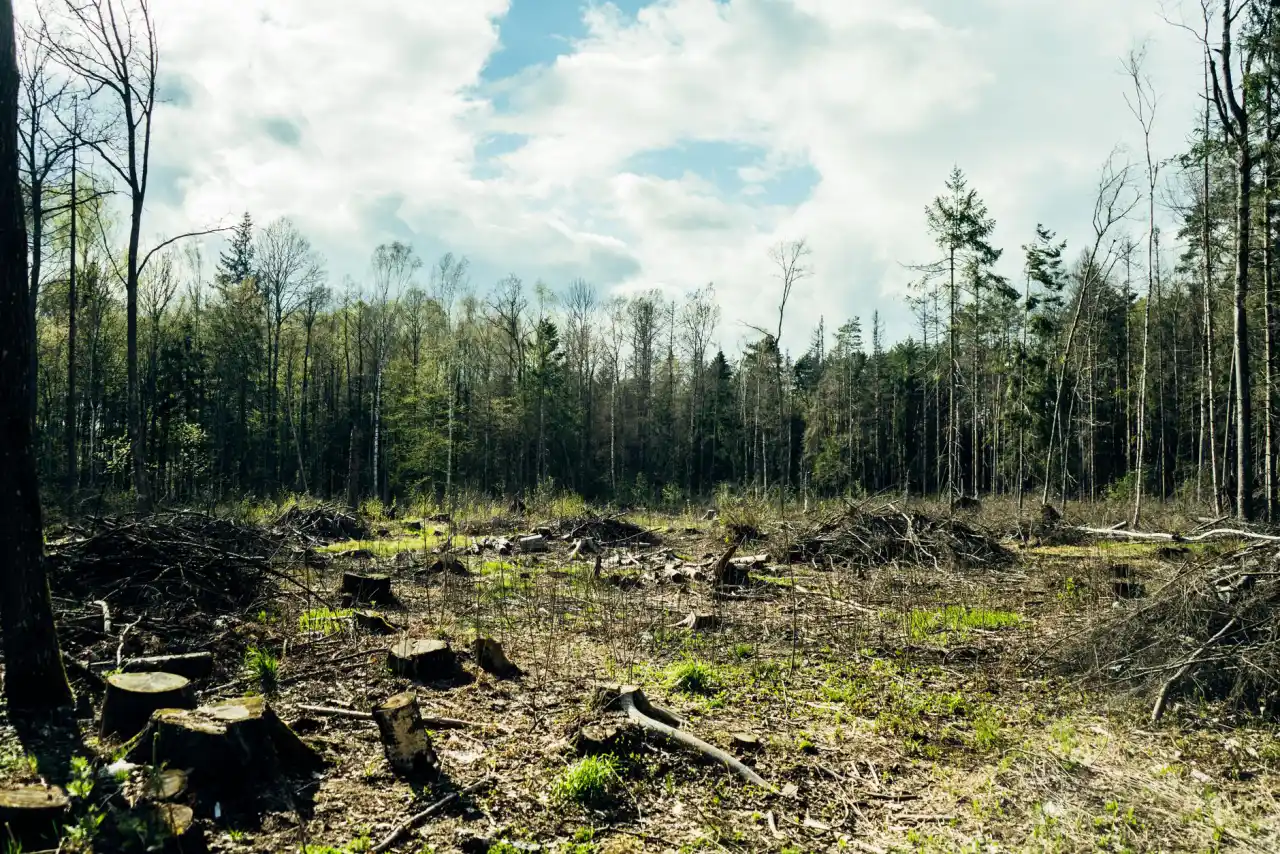
Land Clearing in Rochester, MN — Lot, Property & Building Site Clearing
Taking a parcel from wooded or overgrown to workable ground. Trees, brush, stumps and debris, cleared to a defined boundary and hauled off.
Rochester Elite Treecare is your local resource for lot and land clearing across Rochester, Olmsted County and Southeast Minnesota. We work with tree care professionals who clear parcels for building, for access, and for putting overgrown ground back into use.
Land clearing is a bigger question than brush clearing, and the difference is what happens below grade. Brush work cuts what is growing and leaves the ground alone. Clearing a parcel means the mature trees, the stumps and often the root systems come out too, because something is going to be built, graded, or planted where they stood. That is a heavier job with more machinery, more debris, and more rules attached to it.
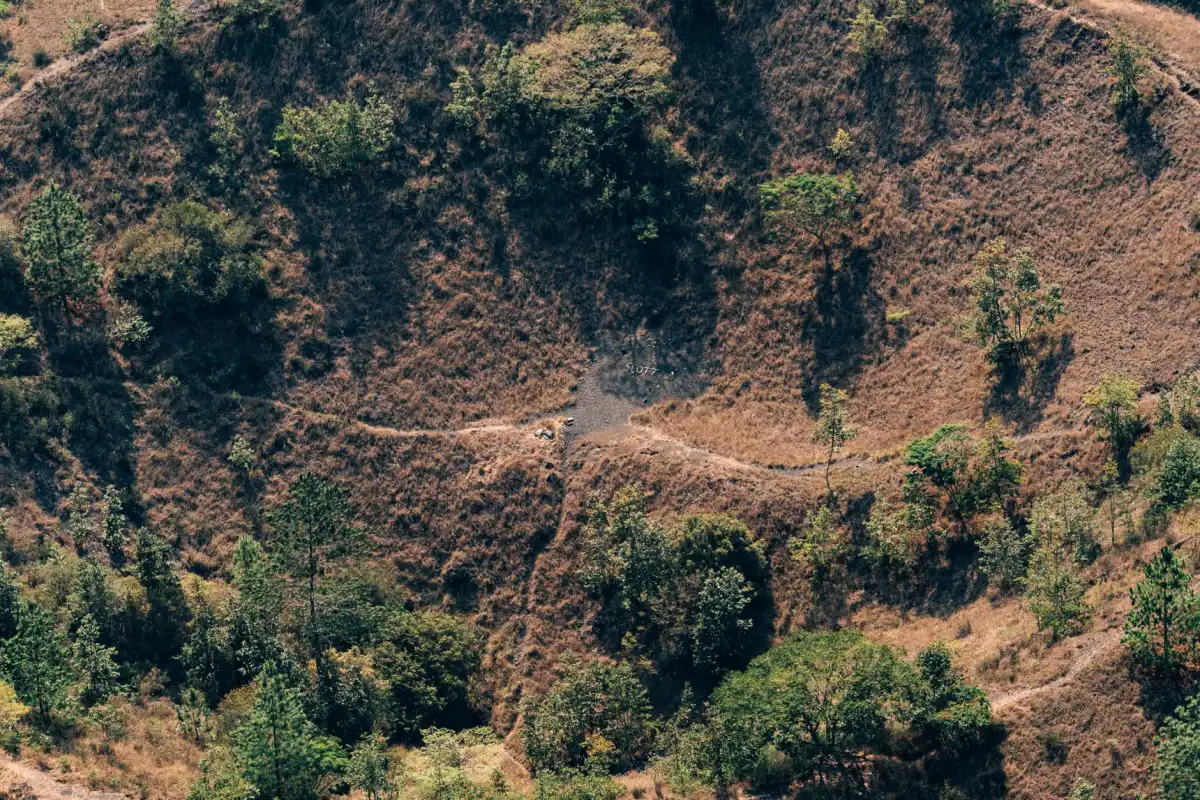
In this county the terrain does a lot of the deciding. Rochester sits in the Zumbro River valley, and parcels here run from flat farmland outside Byron to steep wooded slopes and ravine ground where wheeled equipment simply does not go. Two parcels of identical acreage can be entirely different jobs on that basis alone. The other thing worth knowing before you get quotes: once soil disturbance reaches an acre, MPCA construction stormwater permit coverage is required, and that brings a stormwater pollution prevention plan with it.
Lot & Land Clearing in Rochester, MN
Residential Lot Clearing
Clearing a residential lot usually means opening up part of a property rather than stripping all of it — a building envelope for a house or an outbuilding, a driveway line, a yard area, or a septic field. The most valuable part of the job is deciding what stays. Mature trees left in the right places are worth real money to a finished property, and trees left in the wrong places get damaged by construction traffic and die three years later anyway. Marking keepers and protecting their root zones before anything moves is the difference between a cleared lot and a cleared lot you still want to live on.
Tree & Brush Clearing
The bulk volume of any clearing job is trees and the undergrowth around them, and the two are handled differently. Merchantable-size trunks get felled deliberately, cut to length and stacked or hauled. Undergrowth, saplings and limbs get processed as they come out. Where the ground and access allow, mechanised clearing handles far more volume per day than hand work — where they do not, particularly on slope ground, it comes back to cutting and carrying. What is on site to do the work gets matched to the parcel after somebody has walked it, not decided from an aerial photo.
Overgrown Property Clearing
Reclaiming a parcel that has been sitting is a distinct kind of job because nobody knows what is in it. Ground that has been unmanaged for a decade or more routinely holds old fencing and wire, dumped rubbish, abandoned foundations, wells, tyres, and stumps from whatever was cleared last time — and all of it has to be dealt with as it surfaces. Buckthorn is generally the dominant understory around here and it resprouts from cut stumps, so a plan for the ground after clearing matters as much as the clearing. Quotes on overgrown parcels carry contingency for good reason.
Land Clearing for New Construction
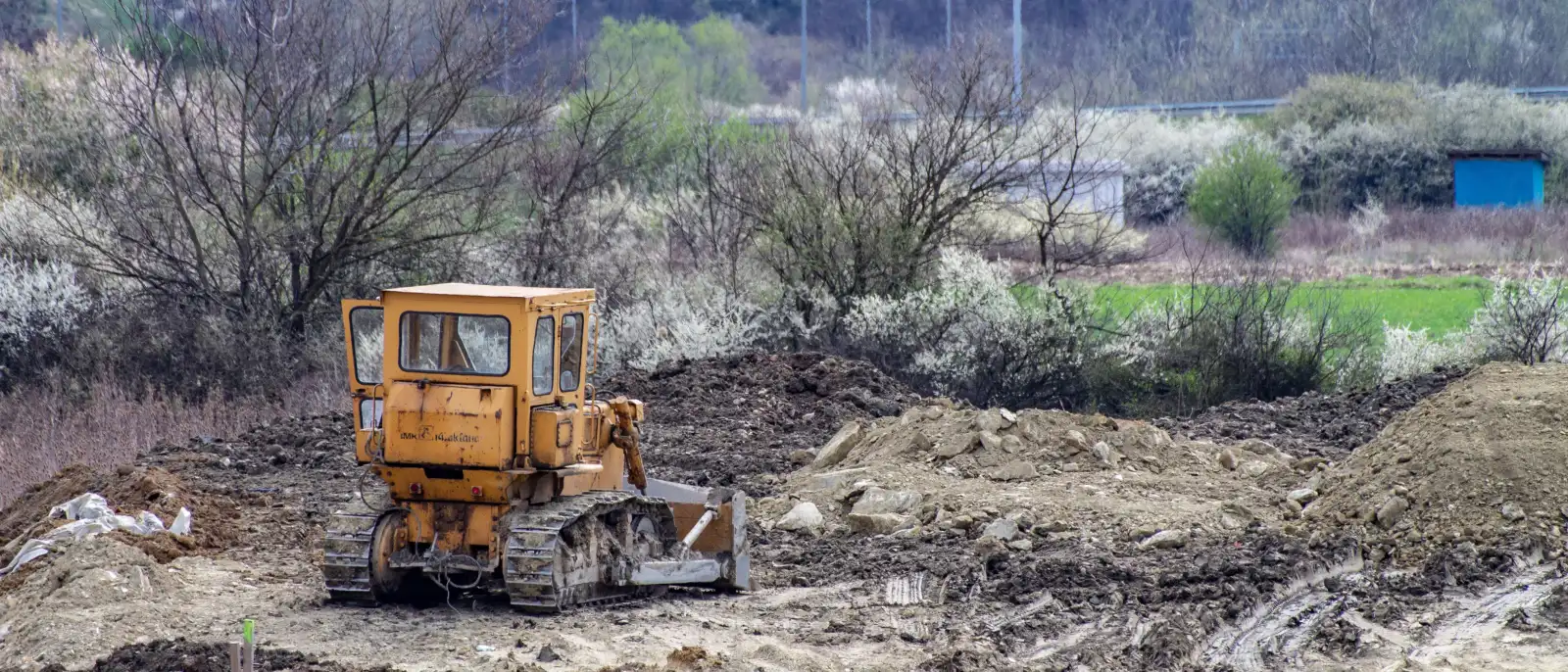
Clearing ahead of a build runs to someone else's schedule and someone else's plan, which changes how it is sequenced. The building envelope, driveway and utility runs get cleared to the surveyed lines rather than to eyeballed ones, stumps and root systems come out where footings and slabs are going, and erosion control goes in as part of the work rather than afterward. This is the threshold where permitting becomes real: MPCA requires NPDES/SDS construction stormwater permit coverage for land disturbance of one acre or more, or for smaller disturbance inside a common plan of development over an acre, and a SWPPP is part of that coverage.
Land Clearing for Property Improvements
Not every clearing job is for a building. Opening a view corridor, putting in a driveway or a paddock, expanding a yard, creating defensible space around structures, restoring pasture, or clearing an easement so equipment can reach something are all common. These jobs benefit most from being specific about the finished condition, because the end state drives the cost far more than the acreage does. Ground that just needs to be walkable is one price. Ground that has to be stump-free, graded and seedable is another, and the gap between them is larger than most people expect.
What's Included in a Land Clearing Job
- A walk of the parcel with the clearing boundary and any keeper trees marked
- Utility locates arranged before any soil is disturbed
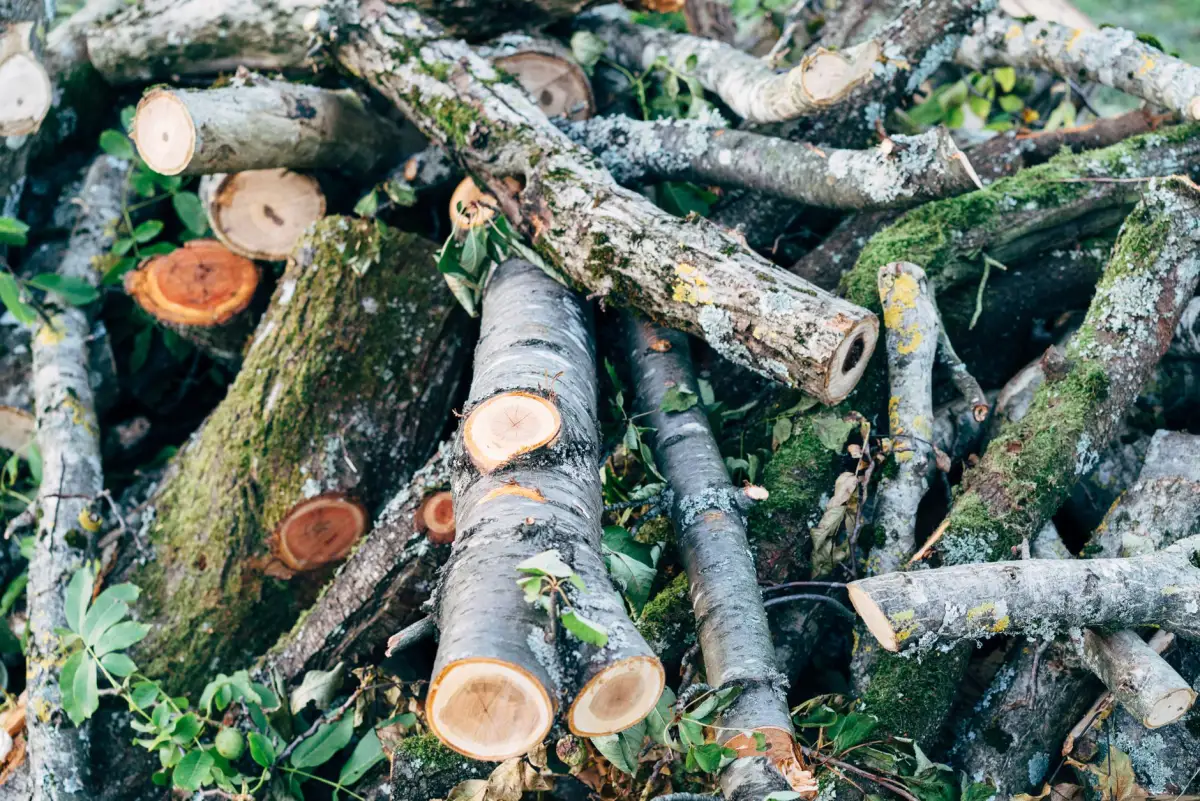
- Trees felled, cut to length, and stacked on site or hauled
- Brush and undergrowth processed as it's cut, not piled and handled twice
- Stumps ground or excavated where the finished use requires it
- Buried debris dealt with as it surfaces, with the scope agreed if it's significant
- Erosion control where soil is being disturbed at scale
- Cleared ground raked out and left at the agreed finished condition
Signs a Parcel Needs Clearing
- A parcel you own that you can't currently walk across
- A building envelope, driveway or septic field that needs to exist where trees currently do
- An old field or pasture that has gone to woody growth over a decade or more
- Dead and dying ash across a wooded parcel, which is common across Olmsted County
- An easement or access route grown in to the point that equipment can't reach
- Structures crowded by heavy growth with no clear space around them
- A property you're preparing to sell, subdivide or develop
How Land Clearing Actually Goes
- 1
Walking the parcel and setting the scope
A land clearing quote that has not involved someone walking the ground is a guess. The walk establishes the boundary of the work against real survey lines rather than approximations, identifies which trees are staying and where their root zones need protecting from traffic, and reads the terrain — slope, drainage, wet ground, and where equipment can and cannot travel. It also surfaces what is buried, which on an unmanaged parcel is usually something: old fence wire, dumped debris, foundations, or a well nobody mentioned. Access gets settled here too, since getting equipment onto a parcel and material off it is often the constraint that shapes the whole approach.
- 2
Permits, stormwater, and what the rules require
Clearing crosses into regulated territory faster than people expect, and it is much cheaper to establish that before work starts. The MPCA requires NPDES/SDS construction stormwater permit coverage for any activity disturbing one acre or more, and also for smaller disturbance that is part of a common plan of development or sale exceeding an acre. That coverage includes preparing a stormwater pollution prevention plan describing how runoff and sediment will be controlled. Beyond that, wetlands, shoreland and stormwater buffers, protected easements and local ordinances all carry their own constraints, and Rochester's development code adds requirements of its own on parcels being developed. This is a conversation with the city and the county, not an assumption.
- 3
Clearing the parcel in sequence
The work runs in a deliberate order rather than all at once. Erosion control goes in first where soil is going to be exposed. Trees marked as keepers get their root zones fenced or matted so nothing drives across them, because compaction kills trees slowly enough that nobody connects it to the clearing two years later. Then the trees come down and get processed — trunks cut and separated, brush handled continuously. Stumps follow where the finished use needs them gone, which for footings, slabs and driveways it does. Ash is separated throughout, because Olmsted County is under state and federal quarantine for emerald ash borer and ash material cannot be moved freely.
- 4
Debris, grading, and the finished condition
How a parcel is left is a decision made at quoting time, not discovered at the end. Cleared material can be chipped and spread on site, stacked as firewood, or hauled off entirely, and the three cost very differently at this scale because the volumes are large. Then the ground itself: walkable, rough-graded, or finished to seedable topsoil are three different end states with a real price gap between them. Any erosion control installed stays in place until the ground is stabilised, since removing it early is what turns a cleared slope into a sediment problem in the next heavy rain. The last pass is a walk of the parcel against the agreed scope.
What Does Land Clearing Cost in Rochester, MN?
- Acreage, but far less than people expect compared with the factors below
- Terrain — slope ground that rules out wheeled equipment changes the job entirely
- Density and tree size, since mature timber and light brush clear at very different rates
- The finished condition: walkable, rough-graded, or seedable topsoil are three prices
- Whether stumps and root systems come out, or only what's above grade
- What's buried in an unmanaged parcel, which nobody can price precisely up front
- Debris handling — chipped and spread on site, or hauled off at volume
- Permitting and erosion control once disturbance reaches an acre
Acreage is the number people lead with and the one that predicts the price least well. A flat, lightly wooded acre with road access and a wooded acre on a ravine slope where nothing on wheels can reach the trees are not comparable jobs. The two questions that actually move a land clearing number are what the ground has to look like when it is finished, and whether the stumps are coming out — and both should be written into the quote rather than assumed.
What to Look for in a Rochester Land Clearing Contractor
Quoted off a walk of the parcel
Slope, wet ground, buried debris and access are what set the price, and none of them show up on an aerial photo.
Keeper trees marked and protected first
Mature trees left standing but driven across compact and die a few years later. Protecting root zones before traffic starts is what makes that stick.
The permitting question answered before work starts
Disturbance of an acre or more needs MPCA construction stormwater coverage and a SWPPP. Finding that out mid-job is expensive.
The finished condition written down
Walkable, rough-graded and seedable are three different jobs. A quote that doesn't name which one it covers isn't comparable to one that does.
Debris that leaves, not debris that moves
Burying stumps on site or pushing everything into a pile at the property line is the cheap version. It becomes someone's problem later, usually yours.
Residential and Commercial Land Clearing
Residential
Residential clearing is usually partial: a building envelope, a driveway line, a yard area, or reclaiming a parcel that has gone to woody growth. The valuable work is deciding what stays and protecting it while the rest comes out.
Commercial
Commercial and development clearing runs to a construction schedule with surveyed limits, erosion control, and coordination against other trades. That work, including site clearing for development, is covered on the commercial land clearing page.
When Land Clearing Isn't the Right Job
- You want undergrowth cut back but the mature trees left and the ground undisturbed. That's brush clearing — cheaper, faster, and less regulated.
- The parcel is inside a wetland, a shoreland buffer, or a protected easement. Those carry rules that override what you'd like to do with the ground. Establish that with the city and county before getting clearing quotes.
- You're clearing to improve a view and the trees in question are on someone else's property. That conversation is with your neighbour, not a contractor.
- You want the stumps buried on site to save money. It's cheaper on the day and it produces settling, sinkholes and failed compaction under anything built later.
- You have no plan for the ground afterward and it's mostly buckthorn. It resprouts from cut stumps and comes back denser. Clearing without a follow-up plan buys you two or three years.
Frequently Asked Questions
- Do I need a permit for land clearing in Rochester, MN?
- It depends on scale and location. MPCA requires NPDES/SDS construction stormwater permit coverage for any land disturbance of one acre or more, or for smaller disturbance that is part of a common plan of development or sale over an acre, and that coverage requires a stormwater pollution prevention plan. Separately, wetlands, shoreland and stormwater buffers, easements and the city's development code can all apply. Confirm with the city and county before work starts rather than after.
- What's the difference between land clearing and brush clearing?
- Brush clearing removes undergrowth, saplings and overgrowth while leaving mature trees and the ground itself intact. Land clearing takes a parcel down to workable ground — mature trees, stumps, and often root systems — because something is going to be built, graded or planted there. Brush work is cheaper, faster, and carries far fewer regulatory questions. If nothing is being built, brush clearing is usually what people actually need.
- Should the stumps come out or can they be left?
- It depends entirely on the finished use. Ground that just needs to be walkable or mowable is generally fine with stumps ground below grade. Anything with a footing, slab, driveway or drainage running over it needs the stump and the major roots out, because a buried stump decays and the ground above it settles. Burying stumps on site is the classic way to save money during clearing and create a compaction problem later.
- Can you clear a lot but keep some of the trees?
- Yes, and it is usually worth doing — mature trees in the right places add real value to a finished property. The part that gets missed is protection. A tree left standing while equipment drives repeatedly across its root zone gets its soil compacted and often dies two or three years later, by which point nobody connects it to the clearing. Keepers need marking and their root zones need fencing or matting before traffic starts.
- How is land clearing priced?
- Not primarily by acreage, which is what surprises people. Terrain is usually the biggest factor, because slope ground that rules out wheeled equipment turns the work into hand cutting and carrying. After that: tree density and size, whether stumps come out, what the ground has to look like when finished, how much debris leaves the site, and what turns up buried in an unmanaged parcel. All of it needs a walk of the ground to price honestly.
- What happens to the trees and debris?
- Usable trunk wood is cut to length and either stacked on site or hauled. Brush and limbs are typically chipped, and the chips can be spread on site or removed. At land clearing volumes, hauling everything off is a substantial line item, so spreading chips is often the economical choice where the ground allows it. Ash is separated and handled under Olmsted County's emerald ash borer quarantine, which restricts where ash material can be taken.
Learn More
- Minnesota Pollution Control Agency — Construction Stormwater — the one-acre permit threshold, the SWPPP requirement, and how coverage is obtained
- City of Rochester — Trees, Lawns & Forestry — city forestry rules, permits, and requirements that apply to trees on and around a property
- Minnesota Department of Agriculture — Emerald Ash Borer Quarantine — restrictions on moving ash material out of a quarantined county like Olmsted
Need Land Clearing in Rochester, MN?
Describe what’s going on and get an on-site estimate — no charge for the visit, and no obligation to book the work.
Get My Free Estimate